Archives

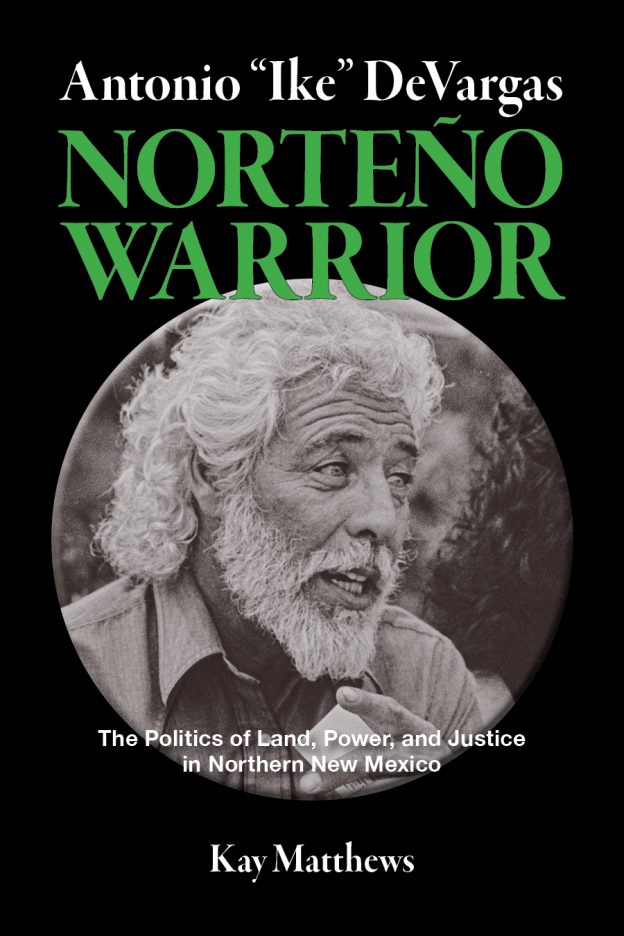
Antonio “Ike” DeVargas-Norteño Warrior

Antonio “Ike” DeVargas-Norteño Warrior is the political profile of an activist whose life was dedicated to the pursuit of environmental and social justice in northern New Mexico, a distinct regional community that has long struggled for economic viability and autonomy. A colorful man with a head of premature white curls and blue eyes, born and bred in a traditional Hispano village, Ike, as everyone knew him, came of age during the Vietnam War where he witnessed firsthand American imperialism against a developing nation. Once home, he recognized that the same forces were at work against the Hispano and Native American communities in “el norte,” under the rule of a despotic Rio Arriba County official. As a founding member of La Raza Unida Party he learned the organizing skills that would help topple a despot and prepare him for future battles: logging wars that pitted communities against corporate timber companies, the US Forest Service, and urban environmentalists; corruption and malfeasance by future county political machines; and tragedies within the criminal justice system. He was a man whose grounding in the cultural traditions of Hispano resiliency and resistance to the dominant paradigm prepared him for a life that left a lasting legacy. His story is the larger story of northern New Mexico.
A New Mexico Land Ethic Handbook

Honoring the 75th Anniversary of Aldo Leopold’s A Sand County Almanac.


A thoughtful and practical exploration of Aldo Leopold’s Land Ethic, tracing its roots in the landscape of northern New Mexico and its ongoing relevance here in the place that first gave rise to it.

— Kristina G. Fisher, Past President, Albuquerque Wildlife Federation founded by Aldo Leopold.

Aldo Leopold’s profound Land Ethic expression culminated in the 1949 classic A Sand County Almanac. The Handbook authors describe their own meaningful experiences living land ethics now in New Mexico. We recognize the contributions of Aldo’s early work in the U.S. Forest Service and wife Estella’s New Mexico traditions. As the concept of Land Ethic evolution began here, the Handbook guides readers on appreciation opportunities now.


This informative and compelling book will speak to all people living in New Mexico who care about our land. It will enrich visitors’ experience exploring New Mexico history, culture, and ethical environmental vigor.

With contributions from Andrew Gulliford and Leeanna T. Torres

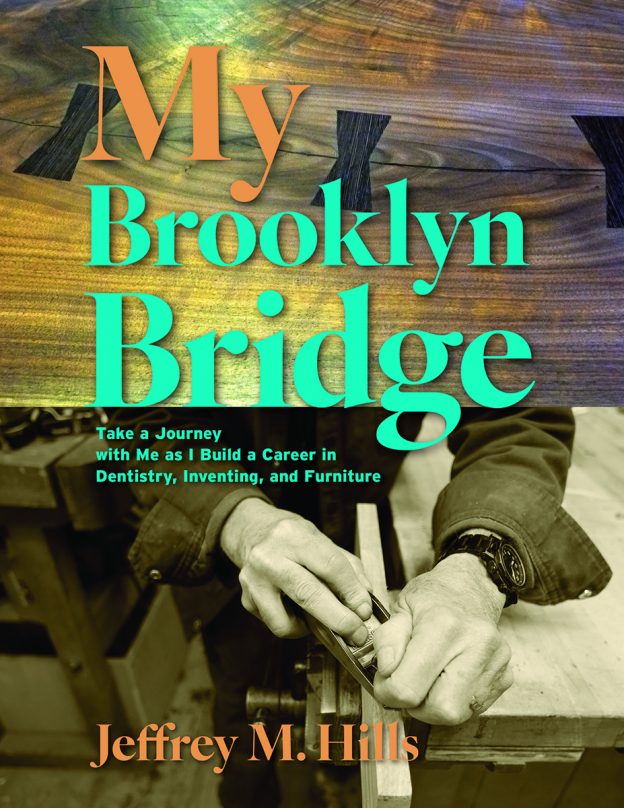
My Brooklyn Bridge

First-time author Jeffrey M. Hills invites readers to take a journey with him “over the bridge” as he builds careers in Dentistry, Inventing, and Furniture Building all while building bonds with family and friends. A warm and inviting memoir from a talented individual featuring vignettes of his life and times, illustrated with well over 100 beautiful photographs.

Hills describes his book best in his own words:

Over the last decade I have kept track of my favorite stories that I have told. I have also thought deeply about what endeavors have meant the most to me, both in my mind and in my heart. Put another way, imagine I am in hospice and my Grandchildren come to visit me for the day. They say, “PopPop, tell us some of your favorite stories, we would love to hear them.” I would want to entertain as I love, with humor and irony. I would also want to convey who I was, the life I have lived, the legacy I want to go forward to the next generation. As much as possible there is a chronological order to these stories, either by first date of onset or by their “true arc” in my life. For exam- ple, “Las Manos del Hombre,” the story of my career as a furniture maker, had many firsts and achievements in the 50s, 60s and 70s. By the 80s my exceptional growth of talent and consistently fine work and then professional recognition began to occur. I chose therefore the 80s to place the story, yet it is clear that the beginnings were much earlier and my Gallery experience most currently significant and ongoing. One can read and enjoy these stories as special and individual experiences to be enjoyed as such. One can also use the Table of Contents as a guide for the appreciation of intersecting and the over lapping sense of time and experience. In other words, these personal snapshots of my life can be simply enjoyed or more complexly experienced. I am both honored and grateful to share my life with you.

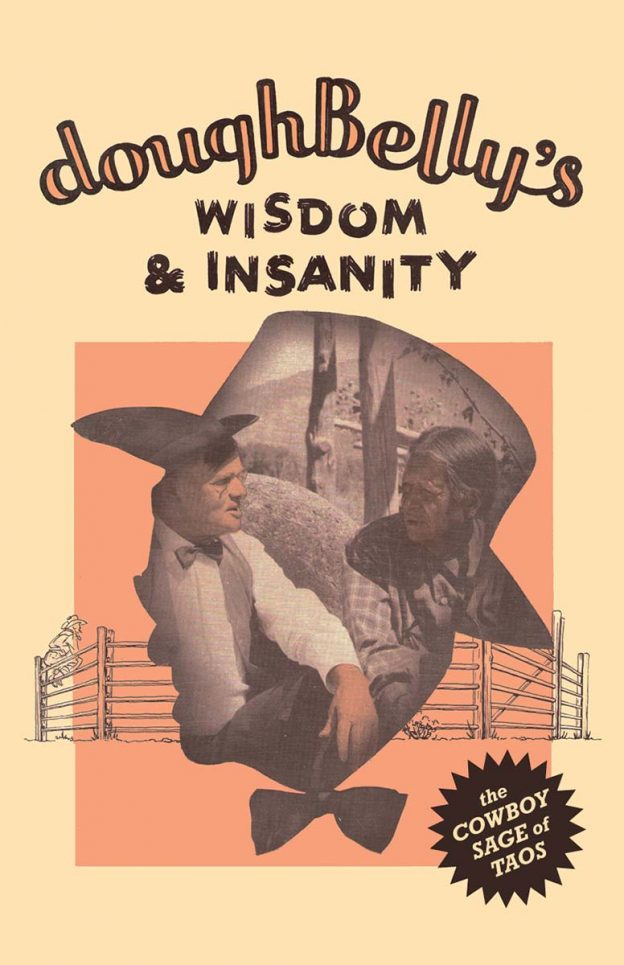
doughBelly’s Wisdom & Insanity

This work, featuring a new introduction by scholar and doughBelly fan James J. O’Donnell, is reprinted from the original book by the author, which sold for $1 and appeared in 1954. The reprint is intended to once again put this “cowboy sage” in our sights as his writing is remarkably relevant to today’s world and just plain fun to read. Rebecca Lenzini, Publisher, Nighthawk Press

doughbelly Price writes as he lives, in complete honesty, with the laughter that comes from the heart. His thoughts on government and politics are unclouded by know-it-all­ism and inside information. He writes from the heart and he pulls no punches. You are never in doubt with Doughbelly. You know where he stands today, and he’ll still be there tomorrow, and the strange and sometimes wonderful thing is: you find yourself standing with him. On laughter, on honesty, on truth. This book is filled with laughter and honesty and truth. It will take you back a few years and bring you to the present, and refresh your memory of things past . . . and most important, it will leave you with a clean taste in your mouth and laughter on your lips. No one could ask for more.

Excerpted from the original Introduction to the book by FRANK O’ROURKE

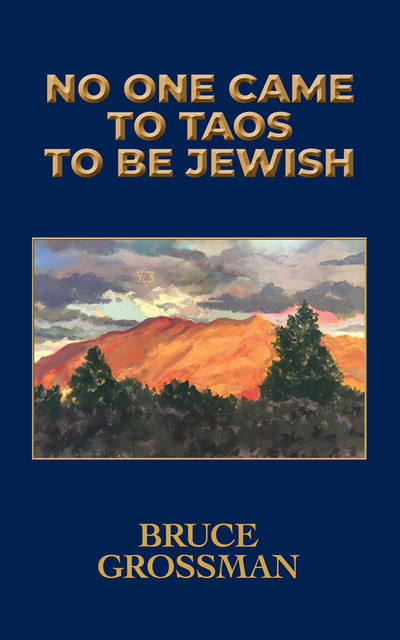
No One Came to Taos to Be Jewish

Part memoir, part history, “No One Came to Taos to Be Jewish” is an extraordinary story of personal and communal transformation. The narrative documents a spiritual awakening among a group of people who came to a small, mostly Hispanic town in the Sangre de Cristo mountains of Northern New Mexico to ski, hike, and get away from the banal lifestyle of urban and suburban America. They happened to be of Jewish descent, but discovering their own heritage in their own personal way certainly was not on any of their agendas. “No One Came to Taos to Be Jewish” tells the tale of these people and the groups they created over a period of forty years.

Sacred Spiral

We are the Aspen Song Kids from Taos Pueblo, a beautiful place in Northern New Mexico. Our mission is to preserve our culture, our heritage, our tradition, and our language. We do that through our art. We give our thanks to our elders and our ancestors. Our grandparents and great-grandparents were artists. If it were not for their hard work, we would not be here today. We carry on their legacy. We give thanks to the artists who came before. We get our name, Aspen Song Kids, from our great-great grandfather whose name was Aspen Song. We didn’t know him in person as he had passed away before we were born, yet, we honor him with our name.

The paintings and stories in this book were created by us, the Aspen Song Kids. Everyday, after school and on the weekends, we walk from the day school to the Pueblo village where we practice our art and practice speaking Tiwa, our native language. We love learning from the elders about the old ways so we may carry on the knowledge to our children and grandchildren in the years to come. We are proud to share our art and to honor Taos Pueblo with this book. – Aspen Song Kids

An Armchair Activist’s Haiku Dairy II

The World in which we live is, to say the least, a world of great troubles, trepidation, and despair: social and political polarity, home- grown terrorism, assaults for sport—or for no reason whatever, sexism, racism, and myriad other “-isms” that antagonize someone’s “me”-ism, hatred, and violence, to list but a few… Such a world condition cannot sustain.
So, We The People must change the contemporary dynamic. The Haiku poems that follow center on a multitude of problems and dreads that are part and parcel of today’s world. And those works included, with a few personal entries excepted, strongly advocate for some
much needed positive changes.  So, my message is this: Mankind can and must change the status quo…

Or there may not be “tomorrow” as we know it.

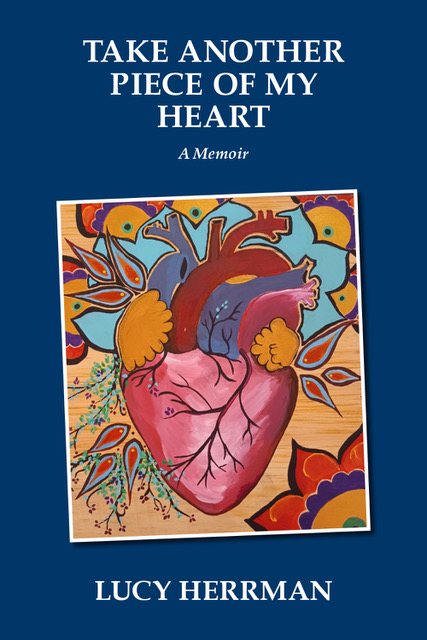
Take Another Piece of My Heart

Ten years ago, while skiing in Colorado, Lucy Herrman’s husband, Dirk, suffered an aortic dissection, an almost always fatal tearing of the lining of the aorta. The survival rate of an aortic dissection is less than 20 percent. Some well-known victims of aortic dissections include Richard Holbrooke, John Ritter, Alan Thicke, and Bill Paxton to name a few. Miraculously, Dirk was one of the rare survivors. But as he later said, “When you cheat Death, Death doesn’t let go so easily.”


Take Another Piece of My Heart is the first-person account of a harrowing medical journey. The book reads like a thriller—offering insights into healing and recovery from one of the deadliest emergency diseases imaginable—a narration from the perspective of the person who mustered strength and hope on the sidelines.


“I’m loving this book from the edge of my seat!”—James L. McManus, author of Cowboys Full and Chin Music.

Living the Leopolds’ Mi Casita Ecology

The authors describe and illustrate experiences of Aldo and Estella Leopold’s legacy in Tres Piedras, New Mexico. As Carson National Forest Supervisor and daughter of a founding New Mexico family, they are the engaging axis to these words and pictures. This book provides a wide tour through time, places, and people, including archaeology, geology, American settlement history, U. S. Forest Service initiatives, the Leopolds’ brief presence, subsequent visitors’ contributions, modern restoration progress, current regeneration of literary and conservation scholarship, thoughts on activism psychology, insights about Leopold’s relevance now, and hopeful plans for greater community participation in this meaningful setting. Drawing on decades of Northern New Mexico engagement and several years of volunteer service as Mi Casita practical steward and conscientious student, Richard shares past and present wisdom he has gleaned from ecological scientists and teachers. Annette provides visual enhancements of the relationships that create true living in this story.

There Was Always Enough Time

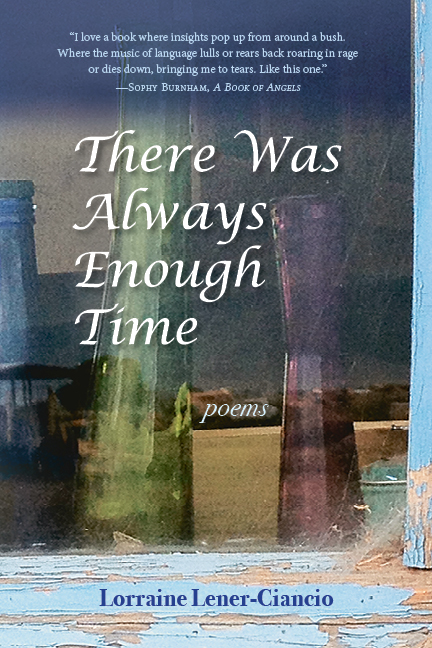
“Lorraine Lener-Ciancio’s poems invite us to linger in her world briefly as she ponders love, loss, hunger, age, and longing. She makes it all seem like a comforting, knowable place. It’s as though we inhabit these spaces of hers ourselves, smelling the ocean waves, tasting the chocolates, seeing the single snowflake in a beloved’s hair, hearing jazz on the radio late at night, and remembering— what? that love endures…Tender understanding of the ravages of love and the passage of time is alive in the lines of her poems. The imagery is strangely sensuous, her truth-telling often stark and heartbreaking, her voice so clear. This evocative collection reminds us that there is reason to hope and dream in this life and that “there was always enough time.”

— Mag Dimond, author of

Bowing to Elephants; Tales of a Travel Junkie

“In this collection Lorraine Lener-Ciancio’s smoothly lyric voice brings together precise descriptions of place with poems that glow like hearth fires, wrapping the reader in a soft and familiar warmth like a home- knit shawl.’

—Anne McNaughton, co-founder of Taos Poetry Bout

“There Was Always Enough Time is a time travelers document of places, emotions, memories of the senses. Here is a poet who is present in her life and charged with it. “…a remarkable kind of consonance.”

—Alan Macrae, author of Mud, Space, and Spirit

Homescape Rewilding

Annette and Richard provide inspiration in this book about their retirement pursuit of Rewilding practices for ecological service. In raconteur style, they describe their Taos, New Mexico Homescape cultures and cultivation. Beginning with thoughtful overview of Rewilding philosophy, they take the reader through millennia of people on the land, relationships with trees, horticulture and husbandry, fauna community, culinary wilding, and contemplative initiatives. While their setting and cultural environment are local, they are inspired by profound writers and diverse teachers. This book’s sources and themes address experiences and endeavors for applying the principles of Rewilding anywhere.

Back to Walden

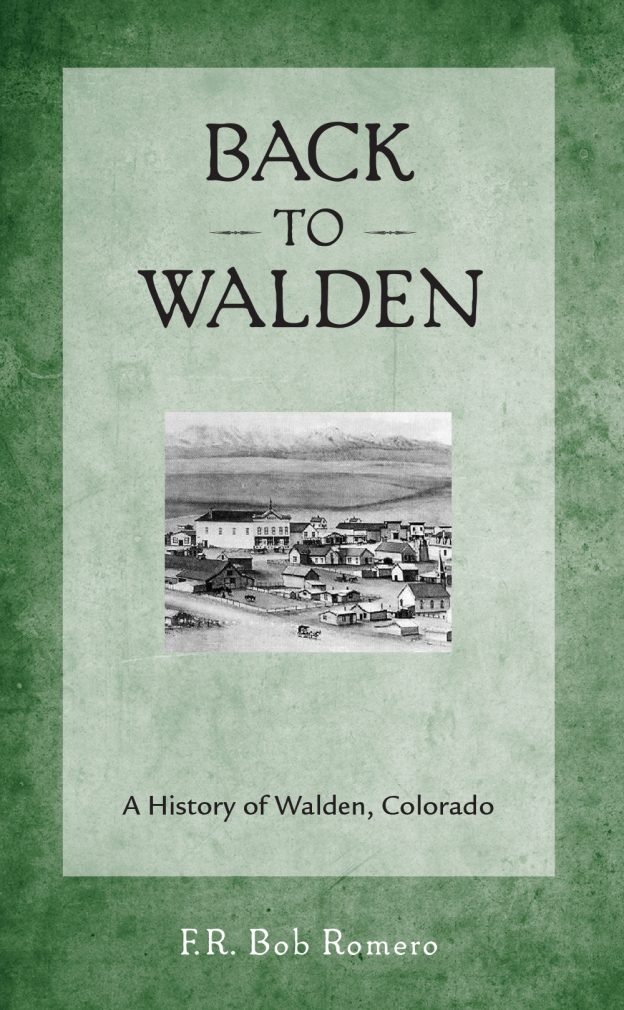
This short book about the history of Walden, Colorado, chronicles a typical history of a rural community but is still a very different story of small-town Americana. Back to Walden is an important addition to the bibliographical list of books covering the unique history of Colorado.

Taos Horno Adventures

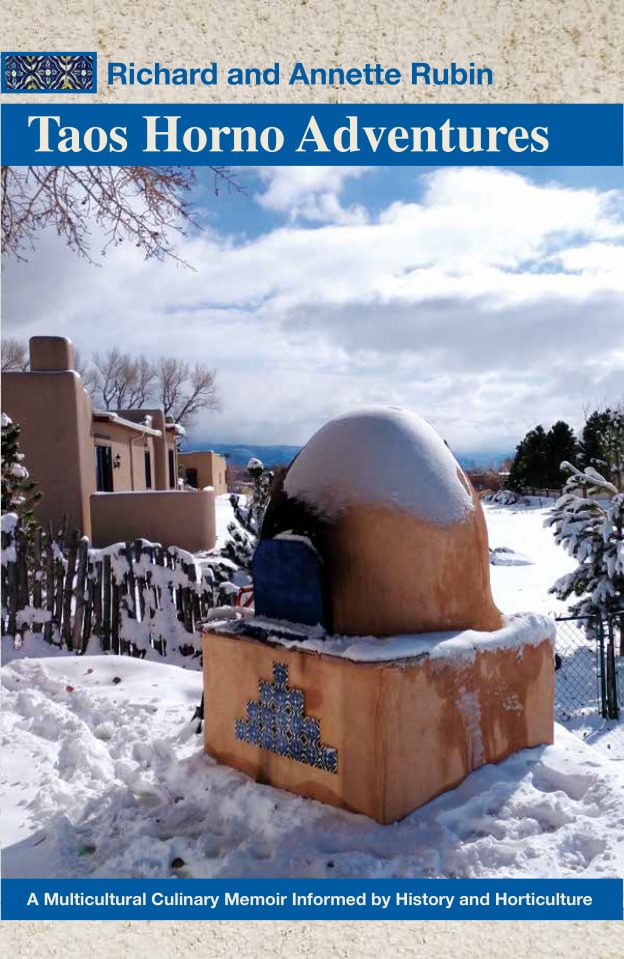
From the view of a retired physician and educator spouse, we share many life stories from over fifty years’ experience with the diverse cultures of Taos, living the shared cultures rather than just observing.

The organizing theme is our new horno beehive oven that has enabled us to engage in new and old cultural practices. Extensive research and the participation of dozens of people yielded description of 90 recipes that combine home grown produce, community sourced ingredients, and horno influence.

Each recipe has been done by us recently, and the results are described. The twelve chapters discuss horno  anthropology, our modern creation, elk and pumpkin harvesting, off the hoof meats, sourdough creations, smoking fish, baking with local rye, Pueblo blue corn cultivation, diverse culture breads, various fowl feasts, multiple gifts from the garden, ancient beehive oven recipes, and local fruit delights. Thirty-four photos, a Recipe Index, and nineteen References are included.

The book and proceeds are dedicated to the multicultural mission of the Millicent Rogers Museum. It is a work of craft, community, and philanthropy.

Our Lady of Roswell: A Novel

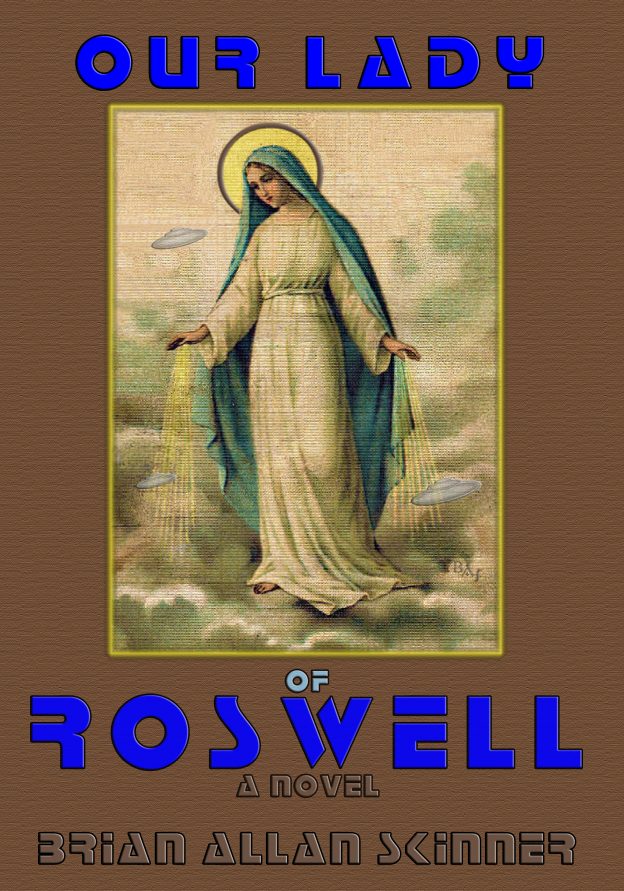
In the final years of World War II, the Blessed Virgin Mary appears to Roswell, New Mexico, teenagers Antonio and Sixtus. She entrusts them to deliver a letter to a scientist working on the Manhattan Project at Los Alamos.


When Antonio’s Tio Nicolás dies, he leaves his house to his nephew and his mejor amigo. Antonio and Six discover their strong physical attraction to each other while wrestling in the Rio Grande. Their erotic love is in conflict with both the teachings of the Church and the norms of society at the time.


Through Dr. Richard Feynman, the physicist from Los Alamos, the young men learn of the impending arrival of faraway visitors to whom they will represent Earth as ambassadors.


Santa Madre pays the young men several more visits before they enlist in the army in early 1947. Stationed at Roswell Army Air Force Base, they are firsthand witnesses to the famed U.F.O. crash.


Sweet Tarts for my Sweethearts

For Bonnie Lee Black, writing and cooking have always been analogous. Both involve the thoughtful and loving preparation of something good for another’s consumption. This cookbook is a compilation of some of the author’s favorite, tried-and-true sweet tart recipes, along with related stories, drawn from her twenty-year culinary career. Her message to readers is simple: “I hope that Sweet Tarts will inspire you to make one or two–or more—of these recipes from time to time, especially on special occasions and enjoy them with your own sweethearts.”

The Ranching Heritage

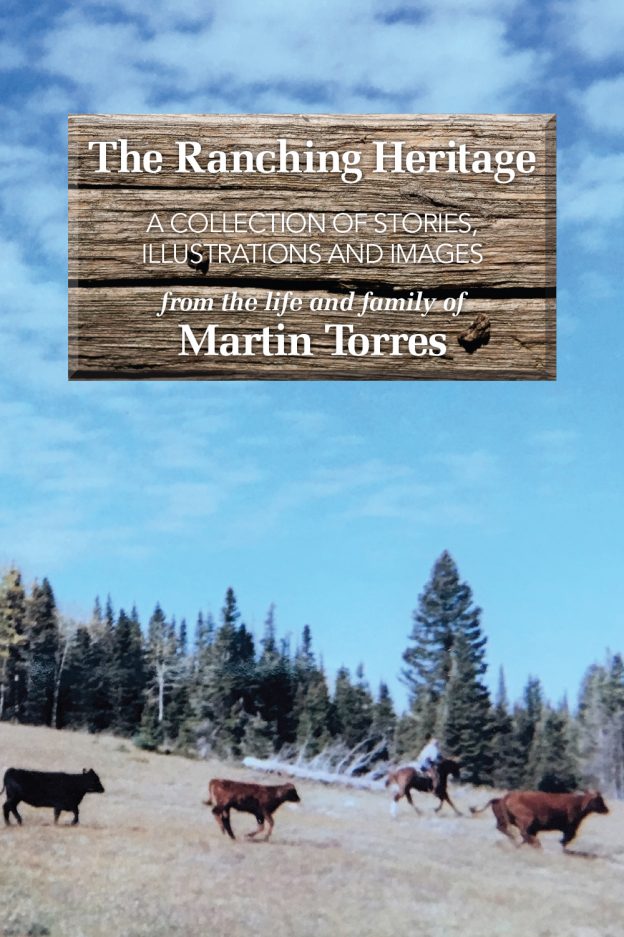
Martin Torres was born on January 30, 1929, to Onesimo Valentin and Ana Torres and raised on a ranch in Arroyo Seco, New Mexico. Martin was encouraged by his wife, Elma Tafoya Torres, to write this book about his father, Onesimo. Martin started herding sheep at the age of eleven in Tres Piedras and Tierra Amarilla. Aside from his entrepreneurship, Martin continued ranching—sheep, cattle, and now elk. Today, he is retired in Taos, New Mexico. This book is a collection of personal stories, illustrations, and images of Martin Torres, highlighting the life of Onesimo and Ana then transitioning to his own life with Elma and their children. He recounts the days of ranching with his father, when life was arduous yet simple, and how Onesimo’s gutsy business moves amounted in assets to make him one of the wealthiest men in northern New Mexico. Martin also shares short stories about cultural traditions and outstanding women, who also blazed many trails in their fields.
Weird Santa & other Xmas Tales

Weird Santa & other Xmas Tales is magic realism with a dash of erotic spiciness. The ten independent stories in this collection range from “A Doggie’s Tale,” a boy-and-his-dog story appropriate for children, to “Never Too Old, Never Too Late” in which an old babushka recounts her Christmases in the Old Country. After receiving her magic gingerbread cookies, Ana’s young American friends, two couples, discover the depth of their passion for each other on a snowy Christmas Eve.In the previous two volumes of short fiction the stories were interconnected. Here they stand alone and there is something in this anthology for everyone to enjoy, whether they hate the winter holidays or revel in them. More than one Scrooge is happilyconverted before the story’s conclusion.This collection of Christmas tales is illustrated with wintry scenes from holidays past and present.As Hypatia says in “Weird Santa,” the title story, “Many impossible things happen at Christmas, and if they happen, I guess, then they must be possible.”

The Wellman Stories: Passions, Professions and Politics in Iowa

Thirty-eight plus one fascinating stories!


Two women chiropractors, Drs. Karen and Margaret, also life partners, happen into a small Iowa town called Wellman in 1986, just thirty-five minutes from Iowa City, home to the University of Iowa. We arrive after a crushing farm crisis, with no plan to stay, and yet, we do stay because the community seems generally favorable. We are successful, independent and do pioneering work for nearly two decades … until we flee.


We discover we have become prey to the repeating media loop of fundamentalist hate and the growing influence of conservative churches.


The Wellman Stories are about our interactions with the characters left to inhabit the faded town. A wry, funny, tragic memoir of hogs, healers and haters.


Travel country roads to the rural town of Wellman, Iowa. Peek behind that inscrutable curtain of corn with these stories about two women—partners and chiropractors—who unwittingly challenge the status quo and political mindset of a small, provincial community.


The Magic of Kindness

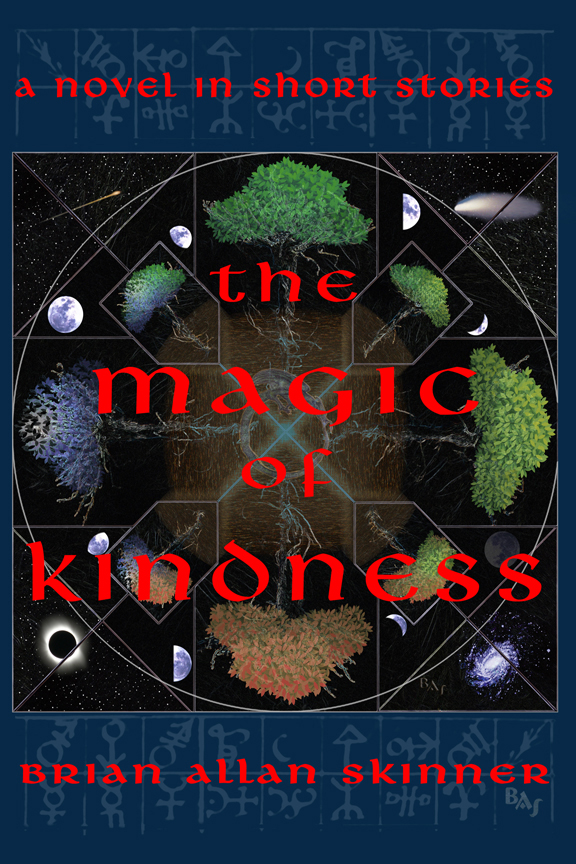
“The Magic of Kindness” is magic realism with a dash of erotic spiciness. Like the author’s previous collection of tales, it is a “novel in short stories.” The eight quirky tales in the present volume are connected not only by plot elements, but also by everyday objects and characters who appear in more than one story. A few of the tales are inadvertent romances.


The author draws once again upon his stable of six trustworthy players who first appeared in, “Shoot Me, Jesus: Tales of the Old & New Southwest.” Though some of the characters have changed their names and others wear disguises, they will still be familiar to readers who enjoyed the previous volume.

Each of these stories is a stand-alone work of short fiction that can be read in any order. The connected tales are founded on the sparks and flashes of insight in daily life, enlivened with humor and a positive attitude in the face of unpleasant realities.

The stories are those of the characters, who speak in their own voices. The rhythm of their dialogue, the music of their speech, is drawn from the rich vocal textures and languages of New York City and other places. Though fictional, with often fantastical elements, the stories take place in real life.

Roots of Enchantment

This is the extraordinary story of four ordinary men from Northern New Mexico—the roots they planted, their history, and the legacy they left in the Land of Enchantment.

“ROOTS OF ENCHANTMENT is a history of Northern New Mexico on a grand scale that is given much insight and vividness through the intimate personal lives of generations of Romero and Mondragon family members. Their stories are interwoven throughout a panoramic overview comprising centuries. It’s a fascinating journey that moves back and forth in time from Juan de Onate to Barack Obama. In all, this is an intricate and valuable history lesson and also a powerful memoir. I loved it. —John Nichols, Taos, New Mexico

The Visits

Dr. Loretta Ortiz y Pino, a beloved small-town pediatrician, was asleep one night when she awoke with a sense of intolerable restlessness. The voice of a friend who had recently died insisted, “You write, and I’ll talk.” She picked up pen and paper and began writing, in the dark, the words her friend spoke to her. This was the first of more than two hundred “visits” Loretta received spanning nearly two decades from guides known and unknown. Faced with terminal cancer in 2016, Loretta enlisted her loved ones to publish this selection of visits. In each one, the different entities convey similar messages: life is an ephemeral gift, constrained by illusion, and our truest task here is to love unconditionally; the afterlife is beautiful, filled with peace and insight; and death is nothing to fear.

Authored by Loretta Ortiz y Pino, this book is edited by Kat Duff.

“Dr. Ortiz y Pino joins a stream of beings who throughout time have been selected to serve as a conduit for sacred wisdom—a wisdom both perennial and precise.”                 —Mirabai Starr

Shoot Me, Jesus

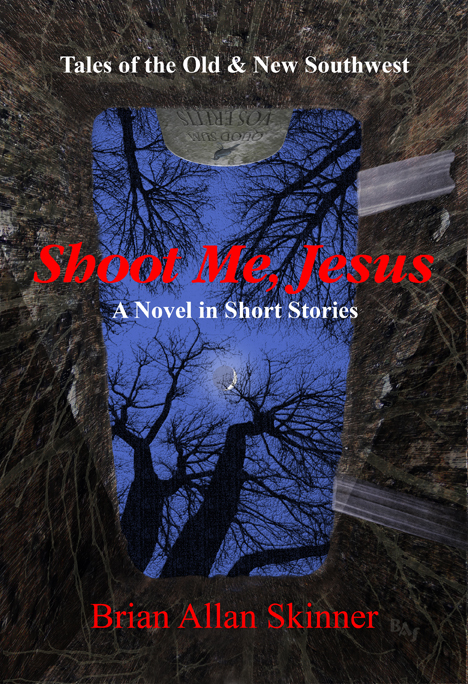
Shoot Me, Jesus is a “novel in short stories,” what writer Jane Lawless called “erotic magic realism with a Southwestern spiciness.” Humor is an essential element of each story. The eleven linked tales move forward and backward in time in the manner of flashbacks and foreshadowing in a novel, though the plots are always character-driven. It is their realizations, insights, and inner changes that move the collection along.

While the characters retain their essences from story to story, the details of their lives, from their occupations to their sexual proclivities, change with each story. Their identities are malleable, yet who they are remains consistent. They develop by a process of accretion, a slow accumulation of personality traits.

The author wondered how things might have turned out for the protagonist if he liked men instead of women, or was poor rather than comfortable. A mere ten seconds can mean the difference between life and death. The smallest event can have enormous repercussions down the road, a kind of “butterfly effect” on a human life. Those are among the concepts explored in this anthology of short stories.

Also available in Kindle eBook and Audio format on Amazon

Audio Book edition on Audible.com and iTunes

https://www.audible.com/pd/Fiction/Shoot-Me-Jesus-Audiobook/B07G3K7GZM

https://itunes.apple.com/us/artist/brian-allan-skinner/1423599104

Longtime Lost

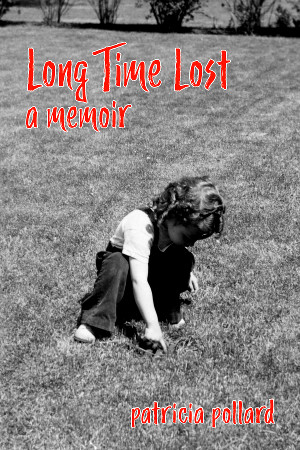
Those of us women who were blessed with good and loving mothers, who taught us by example how to be good and loving mothers in turn, can scarcely imagine a life without those bedrock blessings. In her searingly honest and powerfully written memoir, Long Time Lost, Pat Pollard opens our eyes—and our hearts—to another reality. Adopted as an infant by a couple in their late middle age, then losing her adored and adoring adoptive father to an early death when she was seven, Pat was left alone with an angry, resentful, and abusive adoptive mother. The heartbreak that follows in Pat’s heroic journey to find her true self is sure to deepen our understanding of and compassion for unloved and unwanted children.

—Bonnie Lee Black, author of Somewhere Child (Viking Press)

Wow! 2

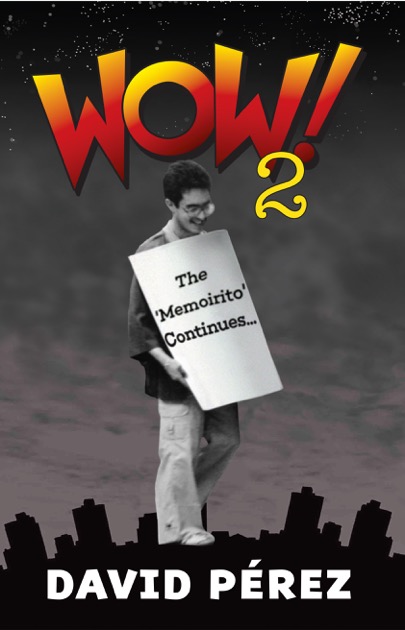
In “WOW 2: The Memoirito Continues,” David is in high school, a top student and athlete. But as the tumultuous 70’s set in, David is pulled by partying and getting high, until a brush with the law and pigeons in his South Bronx neighborhood forces him to re-think his priorities.


David writes his first short story, learns about Marxism via the economics of his shirt, graduates, and ends up becoming a young father, a detour that leads him to join the U.S. Navy. Ten months later, David is back in New York, where he becomes a radical political activist, and is schooled in the “university” known as the mailroom. The book ends with David and his friends back in the South Bronx, sharing lives linked by culture, neighborhood, work, family, and a commitment to revolutionary change.


Full of the author’s trademark use of humor and sharp dialogue, WOW 2 is another addition to the multilayered Latino experience, a book that entertains, educates, and enlightens, with timely lessons about what “being smart” really means.


Journey Down A Road Less Traveled

This biography encompasses the life and career of an Australian physician who at 36 years of age sought to succeed in the competitive world of Academic Medicine in America. We learn about the challenges he has faced along the way from being a young medical student who failed his first year of Medicine in the 1950s to his building a large Department of Medicine at the University of New Mexico Health Sciences Center in the chaotic times of the 1990s. In describing his now over 50 year experience in Medicine, the remarkable changes that have occurred along with the challenges remaining are well portrayed. 

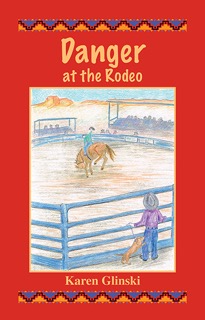
Danger at the Rodeo

This exciting young adult book is the second to feature Emerson, his dog Lucky and his grandpa Charlie, a Navajo elder. This time, all three are headed to a week-long rodeo but instead of fun, they are plucked headlong into a criminal coping scandal and Lucky is stolen. Emerson begins a race against time to save his beloved dog and expose the criminal BEFORE they get him!

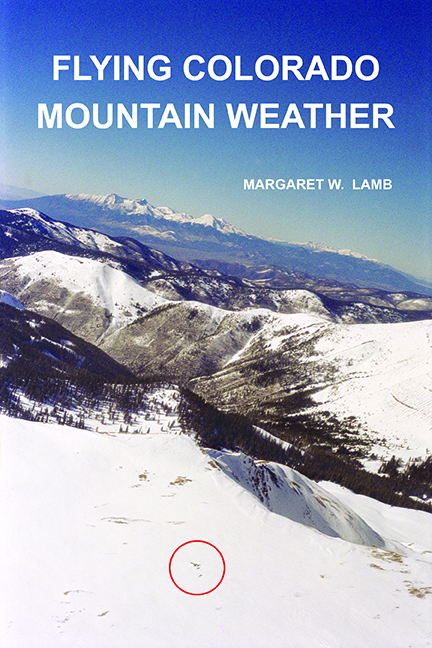
Flying Colorado Mountain Weather

This seminal book highlights reading clouds and flying mountain weather. It’s a stick and rudder text, including full color photographs printed to art-quality standards. The material explains airplane crashes in all sorts of downdrafts, from lee-side downdrafts in the mountain wave, to windward side flows across the Continental Divide. Microscale weather is a problem not identified at all in general aviation mountain flying, but this book exposes the hazards. The book also contains chapters on flying turbulence, and risk (with examples from mountaineering, as well as paragraphs from famous pilots). 6×9 inches; 176 pages on 80# stock with laminated 100# color covers.

COMMENTS FROM READERS:

“The challenge of flying near the edge and the sweet reward of Colorado mountain flying is beautifully presented. You’ve succeeded in filling a large void in pilot knowledge.” (Colorado)

“I especially like your front and back covers, where you use them for instruction, not wasting any pages! Very unusual and creative!” (Wisconsin)

“The illustrations are out of this world, just great!” (New Mexico)

“My favorite pages are your paean to air (“wind is your friend”). This book is an instruction manual, yet it ends up being a song.” (Colorado)


De La Tierra

De La Tierra: The Natural World of Northern New Mexico is a fact-filled guide to the wildlife, plants, and unique habitats of Northern New Mexico. Written by Steve Tapia, a retired U.S. Fish and Wildlife employee, De La Tierra is full of good-natured humor and wit.
Taos Hiking Guide

Written by Cindy Brown, hiking columnist for The Taos News, this all new Taos Hiking Guide has the most up to date information on 31 of the best trails near Taos. Full color detailed maps were created especially for the book by expert map makers Dharma Maps, using GPS data gathered by author Cindy Brown. The book has color photos illustrating hikes down to the Rio Grande and up into the Sangre de Cristo Mountains, as well as information on full moon hiking and a guide to wildflowers.

From the descriptions, you will get a sense of which hikes you will like most and which ones are best in spring, summer, fall and winter. Hikes for beginners and experts are described, including the trail to Wheeler Peak, the highest mountain in New Mexico. Complete introduction includes tips on equipment, clothing, and staying safe on the trail.
Light weight and easy to carry in your backpack.  The book includes:
–Table of hikes with distances and elevations
–Detailed maps by Dharma Maps
– regional map and one for each hike
–Photos and descriptions of wildflowers
– how to spot animals and how to stay safe when you see them
–Easy to follow directions to trailheads

Publisher Rebecca Lenzini says “Finally! An up-to-date hiking guide for all of here in Taos! This is a true must-have book for every home and visitor to our beautiful part of New Mexico. Already readers are saying that the details inside the book, including directions to the trailheads as well as distances and trail conditions, are the most accurate they have ever encountered. Plus the book is just plain beautiful. Nighthawk Press is proud to have helped to make the book come to life.”
Gringo Lessons

Gringo Lessons: Twenty Years of Terror in Taos is a tale of modern adventure about a young man who experienced the local culture from 1966 to 1987. There he met the community: skiers, La Gente, los vato locos, Chicano activists and their Spanish contemporaries, the artists, drug dealers, fellow soldiers, tempting sirens, the occasional movie star, and a host of con artists. Finally the fool abandoned Taos and returned to university only to return and publish Horse Fly, a monthly journal about politics and art for another decade, which he promises to chronicle in a sequel: Taos Redux: The Horse Fly Years.

“This wonderful autobiography is as honest as the day is long, no holds barred, no punches pulled. It’s beautifully written, highly entertaining, truly wild and wonderful even as it also may make you cringe on every other page.”
—John Nichols, New Mexico author

Stranded at Sheep Camp

Eleven-year-old Emerson resents spending the summer at sheep camp with his Navajo grandfather. He is a misfit in a culture and lifestyle alien to him. Then he befriends a lost dachshund who is as much a misfit at sheep camp as he is. Emerson names her Lucky, and with her by his side, his anger and defiance fade as he takes pride in newfound accomplishments, learning about his heritage and the power in making a choice.

The Place Where Wildness Dreams

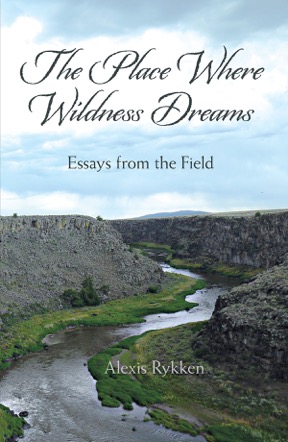
The Place Where Wildness Dreams enters Earth’s dream, offers a new sensibility of who we are as part of an integral community, and opens our minds to the consciousness of the natural world.

All the world is here — from Bear to Rabbit, from Jaguar to Pica, from Mountain to Valley. The beings of the desert, the prairie, the forests and skies all reside with us, in a place that is both “out there” and within. The distant is brought near. And that which is too close to see is made visible. As a reader, you join the author’s innate sense of journey…and you find in your own gypsy soul that this journey is not one you are just starting, nor will it end with the final page.


Blurbs


“We are honored to include Alexis as a featured thinker in residence in the Thinking Wilderness Project, and invite you to travel, through her words, into the wilds of your imagination and then perhaps into wilderness itself.”

—Anita McKeown & Claire Coté, Creative Directors,
Thinking Wilderness Project LEAP
(Land, Experience and Art of Place), www.leapsite.org

Fire and Ash: The Alchemy of Cancer

This is a timeless, archetypal tale of going into the realm of death, into the grave, and resurrecting into a new, burnished life. Like The Pilgrim’s Progress and Dante’s Divine Comedy, Fire & Ash reminds us that each soul is called to return to God, and the path chosen is as individual as each one of us. Anyone who has had cancer, or been close to someone with cancer, will resonate with this powerful, truthful account of Christine Sherwood’s odyssey, from the depths of suffering to the highest spiritual realms of love, forgiveness, and compassion. If readers will allow it, this book will bring them to a depth of feeling and an expansion of their compassion they didn’t know they possessed.

In Fire and Ash, Christine Sherwood does the impossible: She makes sense out of cancer. Her journey into darkness and back out again will save lives, helping others to know there is a brilliant and unwavering light at the end of the tunnel.

— Sean Murphy, author of the International Book Award
winner One Bird, One Stone and The Time of New Weather

Odyssey

Steve Fox had just started his second semester of graduate English study at the University of Texas in January, 1967, when he was drafted to serve in the voracious Vietnam War. But Fox, 23, kept his eyes open and learned how to adapt, resist, and avoid the war in Asia with timely help from a string of angels he meets. He got himself assigned to Athens Air Base in Athens, Greece, where Greek and American friends reveal the terrors of the dictators—known as The Colonels—running the country. In 1969 an ex-Greenwich Village folksinger and Steve’s mentor in Athens, Allan Wenger, makes Steve part of the Greek Resistance to the Colonels. Steve and his smart and sassy American girlfriend drink deep of Greek ruins and lore, set a headlong course of self-reinvention as they return to the U.S. and Mexico, and explore the tangled path of love in revolutionary times.

John Nichols, author of The Sterile Cuckoo, The Milagro Beanfield War, The Magic Journey, The Nirvana Blues, and major  (uncredited ) work on the screenplay of the Costa Gavras movie Missing

“Steve Fox’s rousing memoir, ODYSSEY: Love and Terror in Greece, 1969, is part high drama, part fumbling comedy, sort of like Austin Powers meets Z, a Costa-Gavras political thriller about the rightwing military coup in Athens. The book is a great page turner, a fast-paced yarn with no yawns and written with a fine combination of innocence and moxie. There’s plenty of intrigue, both of the salacious kind and of the military junta sort, surrounded by enough confusion and danger to make any twenty-four-year-old lieutenant in the U.S. Air Force think twice. Steve was that Air Force lieutenant, and we are fortunate that he didn’t think twice . . .and lived to tell the tale. His writing is sleek, humorous, engrossing. In the background Kazantzakis, Lawrence Durrell, and the poet Cavafy keep a sly watch over the American hijinks, occasionally cracking a smile. If you like your ouzo straight up, you will really enjoy this book. Melina Mercouri would have loved it!”

Drinking from the Stream


A collection of real life episodes, poems and essays from women who view nature through the lens of their experience. This book will transport the armchair traveler to the far reaches of our globe to recount heroic, sometimes Quixotic, but always fascinating accounts of the search for solitude and spiritual renewal.

Works from the following fabulous authors are included:

Christine Autumn, Erin Bad Hand, Susan Berman, Virginia Black, Paulle Clark, Pema Chödron, Abbie Conant-Osborne, Lyn Crowl, Linda Fair, Morgan Farley,Natalie Goldberg, Phaedra Greenwood, Christine Hemp, Terry Lukas, Pat McCabe, Barbara Mor, Christina Nealson, Meg Scherch Peterson, Michele Potter, Jennie Ratcliffe, Hilece Rose, Mary Sojourner, Elaine Sutton, Karen Vargas and Juanita Velarde.

Love on the Brink of History

NOW AVAILABLE

At the age of forty, Ethel, who grew up in Los Angeles, California, decided to take possession of her true name, Hannah—the name on her Israeli birth certificate. To make a little ceremony of it, she asked the bishop of an esoteric storefront Gnostic church in Hollywood to baptize her. Without preconception or preparation, she found herself pulled into a world of early Christian myths and symbols. The “dreamtime” world that engulfed her after this baptism became her guidance, as marriage and family disintegrated. As Hannah, she was drawn up through church sacraments from a suburban life she’d never wanted to live, through a mystical initiation she never asked for, which culminated in ordination to the Gnostic priesthood. But that attainment was not the conclusion. Hannah Rappaport’s memoir of this journey is mystical and pragmatic, heartbreaking and healing.

“I am mesmerized by Hannah’s story.  When a Jewish woman can be utterly transformed by her encounter with an ancient Christian Wisdom Way, and still honor her roots, there is hope for peace on earth.  Hannah Rappaport is a living example of the power of the interspiritual life.  Highly recommended.”    Mirabai Starr, Author of GOD OF LOVE: A Guide to the Heart of Judaism, Christianity & Islam

“Hannah Rappaport’s uniquely beautiful and accomplished tale of spiritual transformation will serve as guidance and inspiration for those who hear the call of the transcendent in their own lives.”  Sean Murphy, Author of: Hope Valley Hubcap King, Time of New Weather, The Finished Man, One Bird One Stone


Doing Time

I didn’t set out to be a terrorist. As a student activist, I moved from ­protesting the war in Vietnam to waging guerrilla warfare to overthrow the government. A bank robbery we undertook to finance this “revolution” resulted in the murder of Boston police officer Walter Schroeder. I fled and lived as a fugitive for 23 years. In 1993 I surrendered to ­authorities, pled guilty to armed robbery and manslaughter, and served six years in prison.

I haven’t given up on social change. The more I have studied how things change, the more I see that the acts of this moment are hugely powerful, that peace in the moment is the way to peace in the world. This book is one way for me to share some of what I have learned.

— Katherine Ann Power

Watch for Katherine’s forthcoming memoir, Surrender, lessons from her dramatic journey from guerrilla warrior toward practical peace.

Storied Recipes

SOMOS, a Taos non-profit organization known as the literary heart of Taos, has created Storied Recipes—an attractive 200-page cookbook that features 84 short stories with accompanying recipes submitted by friends of SOMOS.

Storied Recipes Editor, Bonnie Lee Black, writes in the foreword, “Cookbooks are storybooks for grownups. Acting on this theory, we’ve compiled a perfect bound cookbook filled with short, true, well-crafted stories—and the recipes that flavor them –as a fundraiser for SOMOS, Taos’s own literary nonprofit organization.  We cast a wide net in our call for submissions and were delighted with our catch. Taos, after all, is a town teeming with creative types; so fishing for creative taken here is particularly effortless.  Just put the word out, and reel the responses in.  Our Stories Recipes, then, is a showcase for the talents of the many friends of SOMOS—storytellers of all stripes who love to cook as well as eat.”

According to Black, stories poured in from men and women, young and old; poets, playwrights, novelists, biographers, memoirists, and all the rest; lifetime Taoseños and more recent arrivals.  And the stories themselves, some funny, some poignant and nostalgic, span the globe—from London to Venice, from Africa to Qatar, from Greece to New Zealand (with a dollop of Italy in between).

Featured on the back cover of the book are quotes by Natalie Goldberg (author of twelve books, including Writing Down the Bones) and John Nichols (author of twenty-one books, including The Milagro Beanfield War).

“Cooking is close to magic, and Storied Recipes evokes adventure and culinary surprise through narrative.  These recipes are diverse, funky, historical, and sophisticated.  Keep this book by your bedside, take it into your kitchen and enjoy the journey to near and faraway places.”
Natalie Goldberg

“These recipes from all over the world are more fun to make than the spaghetti sauce in Goodfellas.  You can replicate potent Arabic Coffee, nosh Italian calamari or zeppole, and gobble treats made by a Greek poet. Each writer has a story that can be gory like the night the canary died), or full of glory (like the day Emeril blessed this food to your youth).  SOMOS has mixed up a goulash that is great to read, and even more fun to eat. Buen provecho and bon appétit..  Enjoy!”
John Nichols

Proceeds from sales support SOMOS educational programs that support and nurture the literary arts, both written and spoken, honoring cultural diversity in the Southwest.

The Story of Saint Sister Angelica

A work of historical fiction, The Story of Saint Sister Angelica follows a young French woman at the time of the Renaissance who is orphaned but finds her calling in service to God. She creates an orphanage in Meaux and travels to Italy with her brother.


Author statement:

“When I first started writing this story, my intention was to create only a few paragraphs about a young girl who could possibly have lived in France in the early 1500s. But as I started to research this fascinating time in history, I had the beautiful experience of having the story beginning to write itself. Perhaps the multicultural atmosphere of northern New Mexico, where I had recently made my home, prompted my imagination. Anne, Emily, Michael, April and a host of other characters came to life, along with settings in rural France and other places in Europe. As the spirit of the Renaissance spread from Italy to France, the times exploded with historic changes in art, religion, commerce and the written word. Anne, who would later become Saint Sister Angelica, was swept up in the movement, and, guided by her steadfast faith, took the opportunity to make a huge difference in her own way.”

–Jerry Walter, Taos, New Mexico, Spring 2011

This work is dedicated to Eulogio Ortega of Velarde, New Mexico and to the memory of Zoraida Ortega, who together have brought the Holy Family and the Saints into the homes and hearts of many, through the creation of their santos.


How to Make an African Quilt

How do we sew together the hoped-for future and the unfortunate past, the bright as well as the darker patches of our lives? How do we stitch cultural differences, join disparate worlds, to create something both beautiful and useful? Bonnie Lee Black subtly addresses these universal questions through vivid stories of her life-changing experience living and working in the fabled city of Ségou, Mali, in West Africa, after having served for two years in the Peace Corps in Gabon.

At the request of a talented group of Malian seamstresses, Black taught them the craft of American patchwork quilting and spearheaded an independent economic-development effort called the Patchwork Project. She has now created a many-layered patchwork quilt of a book that brings that time and place — and all its colorful characters — to life on the page.

Threaded throughout is the fictional narrative of Jeneba, a slave-quilter in the antebellum American South who had been kidnapped from the Kingdom of Ségou as a child, as well as the real voices of the Malian women who took part in the Patchwork Project.

How to Cook a Crocodile

How to Cook a Crocodile

Casting  caution to the wind at the age of fifty, New York caterer and food writer Bonnie Lee Black decided to close her catering business and join the Peace Corps. Posted to the tiny town of Lastoursville in the thickly rainforested interior of Gabon, Central Africa, Bonnie taught health, nutrition  and cooking, in French, primarily to local African women and children. In the two years she served in Gabon, Bonnie developed her own healthy recipe for a purposeful life, made in equal measures of good food, safe shelter, meaningful work, and unexpected love. Like M.F.K. Fisher’s classic World War II book, How to Cook a Wolf, Bonnie’s true stories comprise a lively, literary, present-day survival guide.

How to Cook a Crocodile won first prize in the Charity and Community – North Africa at the Gourmand International awards ceremony held at the Folis Bergeres in Paris on March 6, 2012.